

Registering a car in California is a vital step for any new owner, ensuring legal compliance and access to key services. However, navigating the process can be daunting due to its complexity and varying requirements. This comprehensive guide aims to demystify the car registration procedure, with a particular focus on the critical step of Vehicle Identification Number (VIN) verification. We’ll walk you through each stage, ensuring a seamless experience, and offering expert insights to avoid common pitfalls. By following these steps, you’ll be well-equipped to register your vehicle efficiently and accurately.
- Understand California Car Registration Requirements
- Gather Necessary Documents for Registration
- Perform VIN Verification: Ensuring Vehicle History
- Choose a Suitable Registration Method: Online or In-Person
- Complete the Registration Process and Obtain Plates
Understand California Car Registration Requirements

Registering a car in California involves more than just filling out forms; it’s crucial to understand and meet specific requirements to ensure compliance with state laws. The process begins with accurate vehicle identification number (VIN) verification, which is essential for every car registered in the Golden State. This includes a comprehensive inspection of both the physical vehicle and its documentation.
In California, VIN verification is typically conducted by authorized personnel using advanced tools, often through mobile vin inspection services that can visit you at your location. These professionals check the VIN against state records to confirm ownership, identify any potential issues, and ensure all paperwork is in order. This step is vital, as it helps prevent fraud and ensures only legitimate vehicles are registered. For instance, a recent study revealed that up to 15% of attempted registrations in California were for stolen or reported damaged vehicles, underscoring the importance of thorough VIN inspection.
Moreover, when registering a car in California, you’ll need to present proof of insurance, complete necessary forms, and pay associated fees. The State’s Department of Motor Vehicles (DMV) provides detailed guidelines on their website, offering step-by-step instructions for both new and transferred registrations. Mobile vin verification services can also assist with this process by providing immediate feedback and ensuring all requirements are met before finalizing the registration, making it a convenient and reliable option for California car owners.
Gather Necessary Documents for Registration

To register a car in California, you’ll need to gather several crucial documents. Among them, the Vehicle Identification Number (VIN) verification is one of the most essential steps. This unique 17-character code serves as a fingerprint for your vehicle, providing critical information about its make, model, and history. A mobile VIN verifier can facilitate this process by offering on-site inspections, eliminating the need to visit a DMV office. This is particularly beneficial in California, where high traffic volumes may contribute to longer wait times.
One of the primary documents required for registration is the Certificate of Title (or “title”). It’s a legal document that proves ownership and must be signed by the seller and buyer. Additionally, you’ll need a valid driver’s license or state ID, proof of insurance, and payment for registration fees. For vehicles over 15 years old, California requires a safety inspection certificate to ensure compliance with current safety standards. It’s important to note that some mobile VIN inspectors can conduct these safety inspections as part of their service, further streamlining the registration process.
Another vital document is the Vehicle Registration Application (Form DV-1), which must be completed accurately and completely. This form requires detailed information about your vehicle, including its make, model, year, and, most importantly, its VIN. Inaccurate or incomplete documentation can lead to delays or even rejection of your registration application. To ensure accuracy, utilize a mobile VIN inspection service that provides immediate access to the vehicle’s history, including any accidents, title issues, or outstanding recalls. This proactive step not only simplifies the registration process but also helps protect you from potential surprises down the road.
Perform VIN Verification: Ensuring Vehicle History

Before registering your car in California, performing a Vehicle Identification Number (VIN) verification is a crucial step to ensure you’re making an informed decision. This process involves checking the vehicle’s history using its unique VIN, which acts as a digital fingerprint, providing insights into its past and potential red flags. In California, where vehicle registration is handled by the Department of Motor Vehicles (DMV), proper VIN verification can save you from unexpected issues down the line.
A mobile VIN verification service offers a convenient way to conduct this check. This involves using an app or online tool that connects to national databases to pull up a detailed report on the vehicle’s history, including ownership records, accident reports, and maintenance records. For instance, services like Carfax or AutoCheck provide such checks, often with real-time updates, ensuring you have the most accurate information. Some even offer mobile VIN inspection apps that allow you to perform this check right from your smartphone, making it a quick and accessible process.
During this verification, look for any discrepancies or potential signs of fraudulent activity. Check if the vehicle has been reported stolen, had major accidents, or undergone significant structural changes, as these can impact safety and resale value. The California DMV recommends this due diligence to prevent consumers from buying vehicles with undisclosed issues. By taking this step, you’re not only ensuring a safer purchase but also protecting yourself from potential legal complications related to unregistered or unauthorized modifications.
Choose a Suitable Registration Method: Online or In-Person
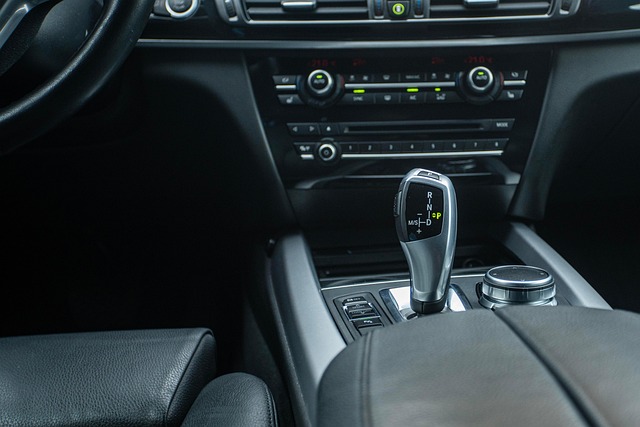
When registering a car in California, choosing the right method for you is essential. You have two primary options: online registration or in-person at a DMV office. Online registration offers convenience and speed, allowing you to complete the process from the comfort of your home. This digital approach involves submitting required documents electronically and often includes automated verification steps, such as VIN (Vehicle Identification Number) verification. For instance, many online platforms now utilize mobile VIN verification, where a simple scan or entry of the VIN can confirm vehicle details, streamlining the initial registration stages.
However, some prefer or require the traditional in-person method, which ensures direct interaction with DMV staff. This approach is beneficial for those seeking personalized assistance or facing complex situations, like transferring ownership or correcting titles. During an in-person visit, you’ll need to present your vehicle’s documents, undergo a VIN inspection to cross-reference the provided information, and pay relevant fees. It’s advisable to schedule an appointment beforehand to avoid lengthy waiting times, especially during peak periods.
Consider your personal preferences, time constraints, and the nature of your registration needs when deciding between online or in-person. Utilizing modern tools like mobile VIN verifiers can significantly enhance efficiency, ensuring a smoother process regardless of your chosen method.
Complete the Registration Process and Obtain Plates

After completing the necessary paperwork and gathering all required documents, it’s time to move forward with the car registration process in California. The next step involves ensuring your vehicle is legally registered and properly identified on the road—this includes obtaining a unique Vehicle Identification Number (VIN) verification and receiving official license plates.
The VIN, a 17-character alphanumeric code, serves as a fingerprint for your vehicle, providing critical information about its make, model, year, and manufacturing location. In California, this number is verified against the state’s database to ensure the vehicle’s authenticity and history. A common misconception is that VIN inspection can only be conducted at a designated DMV office; however, many professional services now offer mobile VIN verification, allowing for convenient and efficient on-site inspections. This method not only saves time but also proves invaluable when dealing with rare or classic vehicles that may require more specialized knowledge for accurate identification.
Once your VIN has been successfully verified, you can proceed to obtain your vehicle’s license plates. California uses a combination of letters and numbers for plate designs, assigned randomly to registered vehicles. These plates serve as visual identifiers, displaying the vehicle’s registration status and providing essential information during traffic stops or other official procedures. It’s crucial to ensure these plates are displayed correctly, both front and rear, to avoid fines or legal issues.
The entire process can typically be completed within a few days to a week, depending on factors such as your chosen method of VIN verification (mobile services may expedite the process) and whether there are any additional administrative delays. Remember, accurate and timely registration is not only a legal requirement but also ensures your vehicle remains safe and identifiable on California’s roads.
Registering a car in California involves understanding clear requirements, gathering essential documents, and ensuring a thorough VIN verification to confirm vehicle history. Whether opting for online or in-person registration, completing the process efficiently requires preparation and attention to detail. By following these steps and prioritizing accurate VIN verification, individuals can navigate the registration process seamlessly, securing their vehicles’ legal status in California. This comprehensive guide empowers readers with the knowledge needed to successfully register their cars, ensuring compliance and peace of mind.