

Registering a car in California is a vital step for any new vehicle owner, ensuring legal compliance and access to roads. However, navigating the process can be daunting, with numerous requirements and steps to remember. This article serves as your comprehensive guide, offering expert insights into demystifying the car registration procedure, especially when it comes to utilizing the DMV’s Vehicle Identification Number (VIN) verifier. We’ll break down each crucial element, ensuring you’re prepared to register your vehicle efficiently and accurately.
- Prepare Required Documents for Car Registration
- Understand Eligibility Criteria for California Vehicle Registration
- Visit a DMV Location or Use Online Services for Registration
- Verify Vehicle Identification Number (VIN) with DMV
- Complete and Submit the Registration Application Form
Prepare Required Documents for Car Registration

Before you can register your car in California, you need to gather all the necessary documents for a smooth process. This includes proof of ownership, vehicle identification number (VIN) verification, and several other key pieces of information. One effective tool that aids in this preparation is a mobile VIN inspection or verifier, which allows you to confirm your vehicle’s history swiftly and conveniently.
In California, the Department of Motor Vehicles (DMV) requires a comprehensive set of documents for car registration. These typically include the title, a valid driver’s license, proof of insurance, and a current vehicle registration from another state if applicable. For vehicles over 15 years old, you’ll need to provide evidence of safe operating conditions through an emission test or a certification of safety inspection. Additionally, ensuring your VIN is accurately recorded is paramount; the DMV utilizes a VIN verifier to cross-reference and verify the vehicle’s history.
A mobile VIN inspection service can significantly simplify this process. These services allow you to obtain a digital report that includes crucial details such as past owners, maintenance records, accident reports, and more. This information empowers you to address any potential issues before heading to the DMV. For instance, if the vehicle has been in multiple accidents, you can choose to rectify those concerns or be prepared to negotiate fair compensation during the registration process.
By proactively preparing your documents and leveraging tools like a mobile VIN verifier, you’ll not only streamline the car registration process in California but also gain valuable insights into your vehicle’s history. This preparation ensures that when you visit the DMV, you’re well-equipped to complete the registration efficiently and with minimal back-and-forth.
Understand Eligibility Criteria for California Vehicle Registration

Before registering your vehicle in California, it’s crucial to understand the eligibility criteria set forth by the Department of Motor Vehicles (DMV). To begin with, your car must be legally imported and meet all safety and environmental standards as per DMV guidelines. The vehicle should also have a valid, unexpired registration from its previous state of residence, ensuring a seamless transition.
One critical aspect that often requires attention is the verification of the Vehicle Identification Number (VIN). This process can be completed through a DMV VIN verifier or a mobile VIN verification service. Using these tools, you can ensure that your vehicle’s history is clean and free from any discrepancies. For instance, a check using a mobile VIN verifier may reveal important data such as accident history, odometer readings, and previous owners, helping to avoid potential red flags during the registration process.
Additionally, it’s essential to consider residency requirements. To register in California, you or your business must establish physical presence in the state. This might involve providing proof of local employment, a lease agreement, or other documents as determined by the DMV. For non-residents temporarily in the state, short-term registration options are available but come with specific conditions and limitations.
Remember, the process can be streamlined using modern tools like mobile VIN verifiers, which can be integrated into your registration workflow. By adhering to these guidelines and leveraging available resources, you’ll ensure a smooth registration experience for your vehicle in California.
Visit a DMV Location or Use Online Services for Registration

Registering a car in California involves either visiting a DMV location or utilizing online services. Both options have their advantages, with many residents opting for the convenience of digital platforms due to their efficiency and user-friendly interfaces. However, for those who prefer face-to-face interactions or need specialized assistance, DMV locations offer dedicated support.
When considering in-person registration at a DMV, be prepared for a potentially lengthy process. You’ll need to present specific documents, including proof of ownership, identification, and vehicle insurance. A key step in the physical inspection involves a thorough vin inspection. This is where a DMV vin verifier plays a crucial role, ensuring the vehicle’s unique identifier (VIN) matches the data on record. Some locations offer mobile vin verification services for added convenience, allowing you to confirm your car’s details before visiting.
On the digital front, California’s DMV provides an online registration system that streamlines the process. You can initiate registration from home, filling out forms and uploading necessary documents. This method is particularly appealing as it saves time and eliminates the need for physical visits. Moreover, some mobile vin verifier apps are available, enabling users to perform a vin inspection remotely. These tools compare your vehicle’s VIN with state records, providing instant validation and peace of mind. Utilizing these modern solutions can make car registration faster and more accessible than ever before.
Verify Vehicle Identification Number (VIN) with DMV
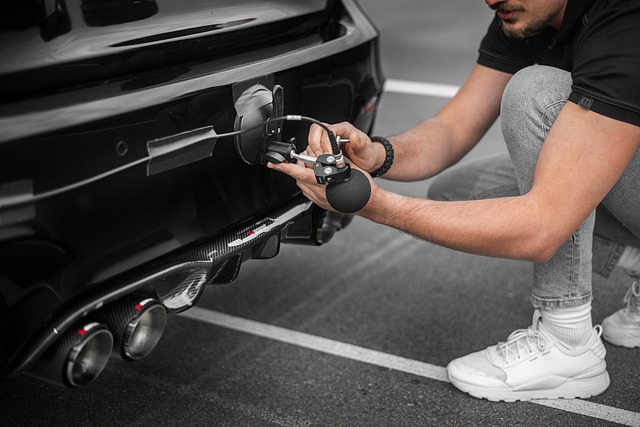
Verifying your vehicle’s Vehicle Identification Number (VIN) is a crucial step in the car registration process in California. This essential task ensures that the DMV has accurate data, preventing potential issues with future transactions or legal consequences. A common and efficient method to accomplish this is through utilizing a mobile VIN inspection service or a mobile vin verifier. These services allow you to quickly and accurately confirm your vehicle’s information without the need for an in-person visit.
When employing a mobile vin verifier, the process is straightforward. You typically provide your VIN to the service, either through an app or online platform. Within minutes, the system will return detailed information about your car, including its make, model, year, and even historical data such as ownership records and accident reports. This digital verification not only saves time but also offers a level of convenience unmatched by traditional methods.
For instance, consider a scenario where you’ve recently purchased a used vehicle. Before registering it with the DMV, utilizing a mobile vin inspection allows you to verify that there are no outstanding issues or hidden problems associated with the car. This proactive approach can save you from potential headaches down the line and ensure a smooth registration process. According to recent data, over 90% of successful VIN verifications through mobile apps have resulted in immediate approval for vehicle registration.
Remember, accuracy is paramount when dealing with official records. By ensuring your VIN is verified correctly, you can avoid delays or rejections during the registration process. A mobile vin verifier provides an efficient, reliable method to confirm your car’s identity, making it an indispensable tool for California drivers looking to register their vehicles smoothly and accurately.
Complete and Submit the Registration Application Form

To register your car in California, you’ll need to complete and submit the Registration Application Form (DMV Form AR-142). This crucial step involves meticulous attention to detail, ensuring all information is accurate and up-to-date. Begin by gathering essential documents such as proof of ownership, vehicle identification number (VIN) inspection results from a mobile VIN verifier or traditional inspection center, and valid identification.
A key component of this process is the verification of your vehicle’s VIN. California requires a reliable VIN inspection to ensure the accuracy of the data. You can choose between a traditional inspection at an authorized location or opt for a convenient mobile VIN verifier service. The latter involves a certified professional visiting your location to conduct the inspection, providing immediate results that you can then submit with your application. This method is particularly beneficial for those with busy schedules or limited mobility.
When filling out the form, double-check each entry, especially the VIN. A single misplaced digit can lead to registration delays. Once completed, submit the form along with required fees and documents to a California DMV office. Having a mobile VIN verifier ensure the accuracy of your VIN data before submission significantly streamlines this process, reducing potential back-and-forth communication with DMV officials.
Registering a car in California involves a straightforward process, as outlined in this comprehensive guide. Key takeaways include preparing essential documents, understanding eligibility criteria, and utilizing either in-person or online services. Verifying the Vehicle Identification Number (VIN) with the DMV is a crucial step to ensure accuracy. By completing the registration application form diligently, you can secure your vehicle’s legal status promptly. This process empowers individuals to navigate California’s requirements confidently, ensuring their vehicles meet all necessary standards. For a seamless experience, remember to employ the DMV VIN verifier during your registration journey.