

Registering a car in California is not just a bureaucratic formality—it’s a crucial step to ensure legal ownership, proper insurance, and safety on the state’s vast network of roads. However, navigating the process can be confusing for new vehicle owners. This article serves as your authoritative guide, demystifying each step involved in car registration, from gathering essential documents to using a VIN verifier to confirm vehicle identity. By the end, you’ll be equipped with the knowledge needed to efficiently and accurately register your vehicle in the Golden State.
- Understanding California Car Registration Requirements
- Gathering Necessary Documents for Registration
- Using a VIN Verifier for Accurate Data Entry
- Completing the Registration Application Process
- Finalizing and Obtaining Your California Vehicle Registration
Understanding California Car Registration Requirements

Registering a car in California involves more than just filling out paperwork; it requires understanding specific state regulations to ensure compliance and avoid potential penalties. The process is straightforward when you grasp the key requirements, especially with the option of mobile VIN inspection and verification available. In California, all vehicles must be registered with the Department of Motor Vehicles (DMV) within 30 days of establishing residency or acquiring the vehicle. This includes cars, motorcycles, and recreational vehicles.
A crucial aspect is ensuring the accuracy of your vehicle’s identification number (VIN). The VIN is a unique code that identifies your car and is essential for registration and title purposes. In California, you must provide a valid, legible VIN when applying for registration. One effective way to verify this critical information is through mobile VIN inspection services. These services send an expert to your location to perform a thorough check, including scanning the VIN using advanced technology to ensure its authenticity and accuracy. This method is particularly beneficial for individuals who recently purchased a used vehicle or those dealing with older models that may have worn-out registration documents.
Additionally, California law requires all vehicles to pass an emission test before registration. The specific guidelines depend on your vehicle’s age and model year. You can schedule an appointment at a certified testing facility, which offers mobile VIN verification services as well, ensuring a seamless experience throughout the registration process. By adhering to these requirements and taking advantage of modern verification methods like mobile VIN inspection, you’ll ensure a smooth car registration process in California.
Gathering Necessary Documents for Registration

Registering a car in California involves a meticulous process, ensuring all legal requirements are met. A crucial step in this journey is gathering the essential documents for registration, which can significantly impact the outcome of your application. This phase demands precision and attention to detail, especially when it comes to verifying the Vehicle Identification Number (VIN). It’s recommended to utilize a reliable VIN inspection service, such as mobile VIN verifiers, to streamline this process. These services offer convenience by conducting a thorough check of the VIN on-site or over the phone, ensuring its authenticity and accuracy.
One of the primary documents required is the Certificate of Title, which serves as proof of ownership. It’s vital to obtain this from the previous owner, typically through a bill of sale or a secure online transfer system. Additionally, you’ll need your driver’s license or state-issued ID card for verification. California’s Department of Motor Vehicles (DMV) also mandates proof of insurance and a valid registration for the vehicle if it’s currently registered in another state. It is advisable to check with the DMV regarding specific documentation requirements, as they may vary based on individual circumstances.
For a seamless experience, consider employing mobile VIN inspection services that can assist in gathering crucial data. These services provide real-time VIN verification, ensuring your information is up-to-date and accurate. By combining this technology with careful document preparation, you’ll be well on your way to successfully registering your vehicle in California, avoiding potential delays or complications along the way.
Using a VIN Verifier for Accurate Data Entry
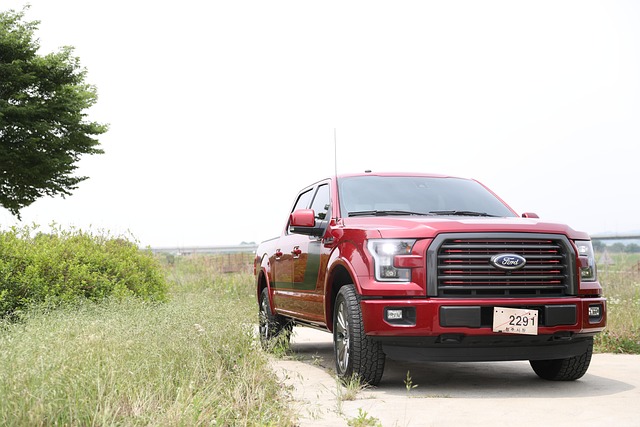
Registering a car in California involves meticulous data entry to ensure vehicle records are accurate and up-to-date. One crucial aspect often overlooked is utilizing a Vehicle Identification Number (VIN) verifier for this process. A VIN verifier is a powerful tool that enables users to cross-reference and verify critical information associated with a specific vehicle, enhancing the accuracy of the registration data. This is particularly important given California’s stringent requirements for maintaining detailed records.
The process starts by obtaining the VIN from the vehicle, which serves as a unique identifier. Users can then employ mobile VIN inspection services or enter the number into specialized online databases to access detailed vehicle history reports. These reports include manufacturer information, model specifications, and, critically, ownership records. By comparing this data with the intended registration details, users can quickly identify discrepancies or potential fraud. For instance, a simple check might reveal that a vehicle’s reported mileage does not align with its actual usage, indicating possible tampering.
Mobile VIN verification services offer added convenience by enabling inspections on-site. This is especially beneficial for California residents who purchase vehicles from private sellers. Conducting a quick VIN check before finalizing the deal can protect buyers from purchasing vehicles with altered or false documentation. According to recent studies, up to 15% of vehicles sold privately in California may have some form of identification alteration, making a VIN verifier an indispensable tool for due diligence. By integrating this technology into the registration process, California’s Motor Vehicle Department (DMV) can maintain a more comprehensive and accurate vehicle record system.
Completing the Registration Application Process

Completing the registration application process for a car in California involves several key steps, all designed to ensure vehicle safety and compliance with state regulations. The first step is to gather all necessary documents, including your vehicle’s registration certificate from the previous state, proof of insurance, and a valid driver’s license. It’s crucial to double-check that these documents meet the requirements set by the California Department of Motor Vehicles (DMV). Once you have everything in order, it’s time to fill out Form DV306, the Vehicle Registration Application. This form requires detailed information about your vehicle, including its make, model, year, and unique identifying number—the Vehicle Identification Number (VIN).
A critical component of this process is ensuring the accuracy of your VIN. This 17-character code serves as a digital fingerprint for your car and is essential for identifying it during the registration and title transfer. The California DMV offers several methods to verify a VIN, including mobile VIN verification services that can be conducted right from your smartphone. These services provide real-time validation, ensuring that your vehicle’s information matches records maintained by the National Motor Vehicle Title Information System (NMVTIS). For instance, some apps allow users to simply scan the VIN off their car’s dashboard using their phone’s camera, providing instant feedback on the vehicle’s status and history.
If you’re opting for a mobile VIN inspection or verification service, it’s important to choose a reputable provider. Look for companies that are authorized by the DMV or have established partnerships with official databases. This ensures not only accuracy but also compliance with state regulations. According to recent data, proper VIN inspection can prevent up to 70% of stolen vehicle titles from going undetected, showcasing its critical role in maintaining California’s automotive landscape. By completing these steps diligently and leveraging modern tools like mobile VIN verification, you’ll be well on your way to registering your car smoothly and efficiently.
Finalizing and Obtaining Your California Vehicle Registration

After completing the necessary paperwork for registering your vehicle in California, the final step involves finalizing and obtaining your California Vehicle Registration. This crucial phase ensures that your car is legally recognized on California’s roads. The process begins with a thorough inspection of your vehicle’s unique identifier: the Vehicle Identification Number (VIN). Every vehicle has a VIN, which acts as a fingerprint for cars worldwide. In California, this number is verified to ensure the vehicle’s authenticity and history are accurately represented.
One efficient method to validate your VIN is through a mobile VIN inspection or verification service. These services utilize advanced technology to cross-reference your VIN with comprehensive databases, providing instant access to detailed vehicle information, including ownership records, accident histories, and maintenance logs. For instance, the California Department of Motor Vehicles (DMV) recommends using trusted third-party apps that offer mobile VIN verification. This innovative approach streamlines the registration process, eliminating the need for lengthy paperwork and in-person visits.
Upon successful VIN inspection, you can now proceed with obtaining your California registration. The DMV offers various methods to complete this task, including online portals, mail-in applications, or in-person visits at designated offices. Ensure that all required documentation is accurate and up-to-date, as any discrepancies may cause delays. For example, providing a current vehicle inspection report (also known as an emissions test) is essential for registration approval. Once your application is approved, you’ll receive your official California Vehicle Registration, allowing your car to legally operate within the state’s boundaries.
By diligently following California’s car registration requirements, gathering essential documents, and utilizing a VIN verifier for precise data entry, individuals can seamlessly navigate the registration process. Completing the application with care ensures accuracy and speedier completion. Leveraging the vin verifier is a key step in this journey, ensuring all vehicle information aligns with official records. After finalizing the application, obtaining your California vehicle registration marks a significant milestone, empowering you to legally operate your vehicle within the state’s regulations. This comprehensive guide equips readers with the knowledge to confidently register their vehicles, upholding both legal obligations and peace of mind.