

Registering a car in California is not just a bureaucratic formality; it’s a crucial step for any new or existing vehicle owner, ensuring legal compliance and protection. However, navigating the process can be a challenge, given the stringent requirements and complex procedures involved. This article serves as your comprehensive guide, equipping you with the knowledge to streamline the registration journey. We’ll delve into every step, from gathering essential documents to understanding fee structures, and most importantly, emphasizing the critical role of Vehicle Identification Number (VIN) verification in ensuring accuracy and security throughout the process.
- Understanding California Car Registration Requirements
- Gather Necessary Documents for VIN Verification
- Choosing an Approved Vehicle Registration Location
- Completing the Registration Application Form Accurately
- Finalizing and Obtaining Your California Registration Papers
Understanding California Car Registration Requirements

Registering a car in California involves several crucial steps, and understanding the state’s specific requirements is essential for a seamless process. One of the critical aspects is ensuring accurate Vehicle Identification Number (VIN) verification, which serves as a unique fingerprint for your vehicle. This meticulous step is often overlooked but carries significant weight in the registration procedure. In California, VIN inspection is typically conducted by the Department of Motor Vehicles (DMV) to validate the vehicle’s history and ensure it complies with safety standards.
The process begins with gathering essential documents, including proof of ownership, which can be a certificate of sale or a title document. Additionally, you’ll need to provide valid identification for both yourself and the previous owner if applicable. It is during this phase that many individuals opt for a convenient alternative—mobile VIN inspection or verification. This service allows owners to have their vehicle’s VIN checked remotely by authorized professionals, saving time and effort. By utilizing cutting-edge technology, these mobile services can perform a comprehensive VIN check, including database queries to uncover any outstanding issues or discrepancies.
Once all documents are in order and the VIN has been verified, you can proceed with the registration. California residents should visit their local DMV office or utilize the agency’s online platform for e-registration. The application process involves filling out forms, paying the required fees, and submitting your gathered documents. It’s important to double-check that all information is accurate, as errors may lead to delays or additional charges. Proper VIN verification not only ensures a smooth registration but also plays a vital role in maintaining California’s robust vehicle oversight system.
Gather Necessary Documents for VIN Verification

Before registering your car in California, you’ll need to gather several key documents for VIN verification. The Vehicle Identification Number (VIN) is a unique code that identifies your vehicle, and accurate VIN verification is a critical step in the registration process. Ensure you have all the necessary documents, including the title, registration, and proof of insurance. The title, typically issued by the previous owner, establishes your ownership, while the registration and proof of insurance confirm your vehicle’s compliance with California’s regulations.
For convenience, many residents opt for a mobile VIN inspection or mobile VIN verification service. These services send a professional to your location to perform the necessary checks, saving you time and effort. They can verify the VIN against the vehicle’s records, check for any discrepancies, and ensure that the car matches the details on the documents. It’s advisable to choose a reputable service that can provide immediate results, as this streamlines the registration process significantly.
During the VIN inspection, the professional will examine various aspects, such as the vehicle’s mileage, history of ownership, and any reported accidents or damages. They will cross-reference this information with the data provided by the California Department of Motor Vehicles (DMV). Accurate and up-to-date documentation is crucial to passing this inspection. If any discrepancies are found, they must be rectified before the registration can proceed. Keeping your documents in order and ensuring their accuracy is key to a smooth VIN verification process.
Choosing an Approved Vehicle Registration Location

Choosing the right location to register your vehicle in California is a crucial step in ensuring a smooth process. Among the various options, approved Vehicle Registration Locations (VRLs) stand out as the most reliable and efficient choices. These locations are equipped with the necessary technology and personnel to perform comprehensive VIN (Vehicle Identification Number) verifications, a critical process that ensures the authenticity of your vehicle. It’s essential to opt for a VRL that offers both accuracy and convenience.
One significant advantage of using approved VRLs is their ability to conduct mobile VIN inspections and verifiers. This service allows you to get the necessary checks done right at your location, saving you time and effort. For instance, many California Department of Motor Vehicles (DMV) branches now offer mobile services, where a representative visits you to perform a VIN inspection, ensuring that your vehicle’s history is accurately verified without you having to travel. This is particularly beneficial for those with busy schedules or limited mobility.
When selecting an VRL, consider factors such as the location’s reputation, turnaround time, and additional services offered. Some locations may provide same-day registration, while others might offer specialized assistance for unique vehicle types. Moreover, checking if the VRL accepts mobile VIN verifiers can significantly streamline the process, making it more accessible and less time-consuming. By choosing a reputable VRL that utilizes modern verification methods like mobile inspections, you’re ensuring a hassle-free car registration experience in California.
Completing the Registration Application Form Accurately
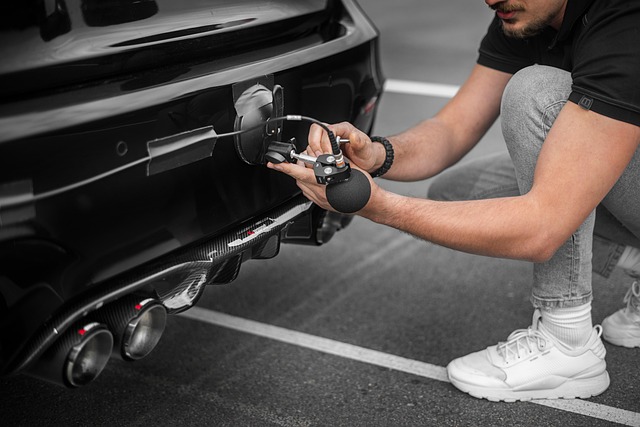
Completing the registration application form accurately is a crucial step when registering a car in California. The Vehicle Identification Number (VIN) plays a pivotal role in this process as it uniquely identifies your vehicle. Ensure every detail is correct; even minor errors can delay or complicate the registration. Begin by obtaining a clear, legible copy of your VIN from your vehicle’s dashboard or door post. This number is essential for accurate vin verification. California offers both online and in-person registration options, but regardless of method, having an error-free VIN will streamline the process.
Consider using a mobile vin verifier or conducting a mobile vin inspection to ensure your VIN is legitimate before initiating the registration. These services provide instant, on-demand vin verification, allowing you to cross-check against potential scams or discrepancies. For instance, a 2018 study by the California DMV revealed that about 5% of submitted applications had incorrect VINs, leading to delays. Avoid such pitfalls by double-checking your VIN and ensuring its accuracy before filling out any forms.
When completing the registration application, match the VIN from your vehicle with the one on the title and registration documents. Any mismatch could signal a fraudulent transaction or a recycled title. If you’re unsure about any information, consult a professional or contact the DMV for guidance. Remember, an accurate VIN is not just about form filling; it’s a critical step in maintaining California’s vehicle record integrity and ensuring your car’s legal status on the state’s roads.
Finalizing and Obtaining Your California Registration Papers
Finalizing your California car registration involves a crucial step: obtaining your registration papers. This process ensures your vehicle complies with state regulations and allows you to legally operate it on California roads. First, you’ll need to verify the Vehicle Identification Number (VIN) of your car. This unique 17-character code is a vital piece of information used for identification and tracking. In California, VIN verification is a mandatory part of the registration process. One efficient way to complete this step is by utilizing a mobile VIN inspection service. These services offer a convenient and often same-day solution, where a professional will visit your location to perform the VIN check. This method eliminates the need for you to visit a DMV office or wait in lines.
Once your VIN has been verified, you can proceed with filling out the California registration application form. This form requires detailed information about your vehicle, including its make, model, year, and color, as well as your personal details. Ensure all data is accurate and up-to-date to avoid any delays or issues. After completing the form, you’ll need to submit it along with the necessary documents and fees to the DMV. The required documents typically include proof of insurance, a valid driver’s license, and sometimes, a bill of sale or lease agreement. During this phase, you might also consider using a mobile VIN verifier again to streamline the process further. These verifiers can cross-check your vehicle information with state databases, ensuring all details are in order.
Upon submission, the DMV will conduct a thorough review of your application and documents. They’ll verify the VIN, check for any outstanding issues or recalls, and ensure your vehicle meets California’s safety and emission standards. If everything is in order, they will process your registration and issue the official registration papers. These documents are typically valid for a specific period, after which you’ll need to renew your registration to maintain legal compliance. Properly finalized registration papers mean you can confidently take your car on California’s roads, enjoying the freedom of legally registered ownership.
By following these structured steps—from understanding California’s car registration requirements to finalizing your registration papers—you’ve now equipped yourself with the knowledge to navigate the process seamlessly. Ensuring accurate VIN verification is paramount, as it serves as a critical component in meeting state regulations. Select an approved location for convenient and efficient processing, and meticulously complete the application form to avoid delays. This comprehensive guide empowers you to register your vehicle confidently in California, ensuring compliance and peace of mind on the road ahead.