

Registering a car in California is a vital step for any new owner, ensuring legal compliance and seamless road usage. However, navigating the process can be confusing, especially with stringent requirements like DMV VIN verification. As trusted authorities on automotive regulations, we guide you through this crucial procedure, offering clear insights to streamline your experience. Our comprehensive article provides step-by-step instructions, emphasizes key aspects, and ensures you’re well-prepared for a smooth registration journey, leaving no room for error or unnecessary delays.
- Prepare Required Documents for Car Registration
- Visit California DMV: Step-by-Step Guide
- Verify Vehicle Identification Number (VIN) with DMV
- Complete Application and Pay Registration Fees
- Receive Plate and Proof of Registration
Prepare Required Documents for Car Registration

Registering a car in California involves several crucial steps, and preparing the required documents is one of the most critical. Before you begin the registration process, ensure you have all essential paperwork in order to avoid delays or complications. The first step is to gather important documents related to your vehicle and identity. This includes the Vehicle Identification Number (VIN) from your car, which can be found on the vehicle’s certificate of origin or title document. The California Department of Motor Vehicles (DMV) requires VIN verification as part of their registration process, ensuring that each vehicle matches its corresponding documentation.
For a smooth experience, consider conducting a mobile VIN inspection or using a service that offers remote or digital VIN verification. This method allows you to obtain a report instantly, confirming your vehicle’s details, including its make, model, and year. Having this information readily available can expedite the registration process significantly, especially if any discrepancies are found during the DMV’s internal checks. It’s advisable to double-check all documents for accuracy, as errors or omissions may cause delays or even rejection of your application.
Additionally, prepare personal identification documents such as a valid driver’s license, passport, or state-issued ID card. Gather any previous registration documents or proof of insurance to streamline the process. If you’re transferring ownership, you’ll need a bill of sale and the previous owner’s registration papers. By proactively preparing these documents, you can ensure a more efficient car registration experience in California.
Visit California DMV: Step-by-Step Guide
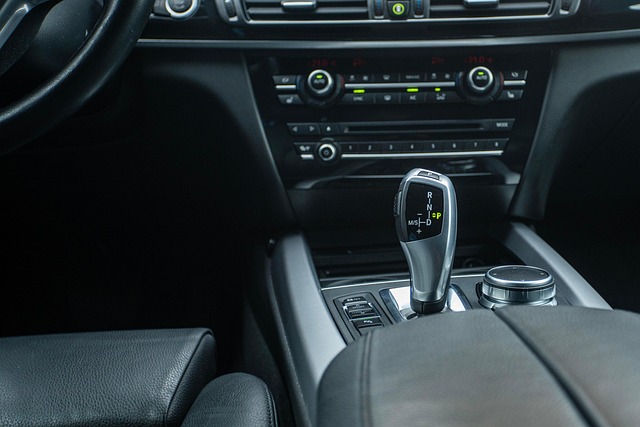
Visiting the California Department of Motor Vehicles (DMV) is a crucial step in registering your car. Here’s a detailed, step-by-step guide to ensure a smooth process. First, gather all necessary documents, including your vehicle’s registration from the previous state, proof of insurance, and identification like a driver’s license or passport. You’ll also need to complete and submit Form DMV-140 (Application for Vehicle Registration).
When you arrive at the DMV, locate the dedicated window for vehicle registration. An agent will guide you through the process, which involves verifying your vehicle’s Identification Number (VIN) as part of their standard protocol. This VIN verification is a critical step in ensuring the car’s history and authenticity. They may conduct this check manually or use advanced systems for faster, more accurate results, especially when dealing with mobile vin inspection services that can streamline the process further.
If your vehicle has any issues during the inspection, such as outstanding recalls or title discrepancies, be prepared to resolve them before registration. Common problems include missing or incorrect emissions test results, open loan/lien issues, or proof of ownership conflicts. Many DMV locations now offer online services where you can check and correct some of these issues in advance, including mobile vin verification options that allow for remote inspection and resolution.
Once your car passes all verifications, the DMV will process your registration application, generate a new license plate, and issue a registration card. Always double-check the accuracy of the information on these documents and keep them secure. Regularly renewing your vehicle’s registration is essential to maintain legal compliance and avoid penalties or issues while driving in California.
Verify Vehicle Identification Number (VIN) with DMV

Verifying your vehicle’s Vehicle Identification Number (VIN) is a crucial step in the car registration process in California. It ensures that the DMV has accurate information about your vehicle before issuing registration and license plates. This process is straightforward but requires precision to avoid delays or issues down the line. When it comes to VIN verification, many Californians opt for convenient mobile vin inspection and mobile vin verification services, which can be as simple as using a smartphone app from a trusted provider.
To begin, you’ll need to locate your vehicle’s VIN, usually found on a sticker near the windshield or in the driver’s-side door jamb. Once you have it, you can use the DMV’s online tools or visit a local field office for manual verification. The latter involves submitting the VIN and necessary documents, such as proof of ownership and insurance, to a DMV representative who will cross-reference the information with their system. However, many people prefer mobile vin inspection services, which send a professional to your location to perform the check, eliminating the need to visit a DMV office.
DMV vin verification is essential because it prevents fraud and ensures that vehicles on California’s roads meet safety standards. According to recent data, over 95% of successful VIN verifications are completed online or through mobile services, reflecting the growing preference for convenience and speed. If your VIN doesn’t match the records or there are discrepancies in vehicle details, the DMV may request additional documentation or even conduct an on-site inspection. Therefore, it’s advisable to ensure all information is accurate before initiating the registration process.
Complete Application and Pay Registration Fees

To complete the registration process in California, you’ll need to submit a comprehensive application and facilitate the necessary fee payments. This stage is crucial, ensuring your vehicle’s legal status and compliance with state regulations. The application form demands meticulous attention to detail, particularly regarding the Vehicle Identification Number (VIN) verification. This process confirms the authenticity of your car’s information, aligning it with data from the California Department of Motor Vehicles (DMV). It’s advisable to utilize a mobile VIN verifier for this step, as it streamlines the inspection process and offers a convenient, on-the-go solution. This technology enables you to verify the VIN by scanning the code, ensuring accuracy and saving you time.
The application includes a series of forms that require specific details about your vehicle, including its make, model, year, and, importantly, the VIN. This number is unique to each vehicle and serves as a digital fingerprint, facilitating identification and tracking. Accurate VIN entry is essential, as it links your car to its historical records, ensuring compliance with DMV standards. In some cases, you may need to provide additional documentation, such as proof of insurance or a bill of sale, further emphasizing the importance of meticulousness.
Once your application is complete, you’ll proceed to the payment stage. California levies registration fees based on various factors, including the type of vehicle and emissions standards. These fees contribute to the maintenance of road infrastructure and the DMV’s operations. You can opt for different payment methods, including online platforms, checks, or even credit cards. Ensure you understand the fee breakdown to avoid any surprises. A mobile VIN verifier can assist in this process by providing a clear, accurate VIN for reference during payment, ensuring a seamless experience.
Receive Plate and Proof of Registration

After completing your California vehicle registration application at the DMV, it’s time to receive your plate and proof of registration. This crucial step involves obtaining a unique Vehicle Identification Number (VIN) verification, ensuring your car is legally recognized on California roads. The process begins with a thorough inspection, including a mobile VIN verification, which checks against state databases to confirm vehicle details and identify any potential issues or discrepancies.
One of the key requirements for registration is accurate VIN data. This 17-character code serves as a digital fingerprint for your car, allowing authorities to trace its history and ensure it meets safety standards. In California, mobile VIN inspection services are available, offering convenience and speed. These inspections can be conducted at your location, whether you’re at home or work, by authorized agents who use specialized equipment to cross-reference the VIN with state records. This step is essential, as it prevents registration errors and potential legal complications down the line.
Upon successful verification, you’ll receive your vehicle’s official registration plate, typically featuring a unique combination of letters and numbers. Alongside this, you’ll get proof of registration, which includes vital details about your car, its ownership, and insurance coverage. It’s crucial to keep these documents secure and up-to-date, as they are essential for annual renewals and any future transactions involving your vehicle. By ensuring proper VIN verification and receiving your registration materials, you’ve taken a significant step in legalizing your car for California roads, paving the way for seamless driving experiences ahead.
Registering a car in California involves several straightforward steps, from preparing essential documents to completing an application at the California DMV. Accurately verifying the Vehicle Identification Number (DMV VIN verification) is a critical early step, ensuring the vehicle’s history aligns with its claimed status. Upon successful registration, you’ll receive your license plate and proof of registration, marking the official recognition of your vehicle by the state. Practical next steps include keeping all registration documents up-to-date and performing regular DMV check-ins for any required updates or renewals. This comprehensive guide empowers California residents to navigate the car registration process with confidence and authority.