

Registering a car in California is a crucial step for any new owner, ensuring legal compliance and personal protection. However, navigating the process can be daunting, with various requirements and steps involved. This comprehensive guide aims to demystify the registration procedure, offering expert insights tailored specifically for California residents. From gathering essential documents to understanding fees and, crucially, utilizing DMV VIN verification, we’ll walk you through each critical stage. By the end, you’ll be well-equipped to handle this essential task efficiently and accurately.
- Gather Necessary Documents for Car Registration
- Prepare Your Vehicle for DMV Inspection
- Complete the California Car Registration Application
- Submit Proof of Insurance and Pay Fees
- Verify Your Vehicle's VIN with the DMV
Gather Necessary Documents for Car Registration

Registering a car in California involves several steps, but having the right documents is key to a smooth process. Beyond your vehicle’s registration fee and insurance paperwork, you’ll need to provide proof of identity and ownership. This includes presenting a valid driver’s license or state ID card, as well as verifying the vehicle’s Vehicle Identification Number (VIN). A crucial step often overlooked involves utilizing a mobile VIN verifier to ensure the car’s history is clean and matches the details on the title.
Obtaining a accurate VIN verification through a trusted mobile service can help avoid potential issues later. In California, the Department of Motor Vehicles (DMV) recommends this process for added peace of mind. Some common scenarios where mobile VIN inspection proves invaluable include purchasing a used car from an individual or dealing with vehicles that have been restored or modified extensively.
By employing these digital tools, you can access detailed vehicle history reports, including accident records, title brands, and maintenance logs, directly from your smartphone. This allows for a more comprehensive understanding of the car’s past, helping to identify potential red flags before completing the registration. Remember, taking proactive steps like mobile VIN verification demonstrates responsible ownership and ensures compliance with California’s stringent regulations.
Prepare Your Vehicle for DMV Inspection

Before registering your car in California, it’s crucial to prepare your vehicle for a thorough DMV inspection. This process involves ensuring your car meets all safety and emissions standards set by the state. One critical step is verifying the Vehicle Identification Number (VIN) to prevent fraud and ensure authenticity. The California Department of Motor Vehicles (DMV) requires a valid VIN inspection, which can be conducted through various methods, including mobile VIN inspection services.
When getting ready for your DMV visit, start by checking your vehicle’s VIN plate—typically located on the driver’s side door frame or under the hood—and ensuring it matches the information in your ownership documents. For older vehicles or those with modified components, a professional mobile VIN verifier can provide accurate, real-time data, enhancing the inspection process. This technology allows for remote verification of a vehicle’s history, including any previous accidents or modifications, which is essential for a successful DMV vin verification.
It’s important to address any outstanding issues before visiting the DMV. For instance, if your car needs routine maintenance like an emission control system check or safety equipment upgrades, ensuring these are completed will streamline the registration process. Remember, California has strict regulations, and a thorough preparation ensures a smoother transaction. Consider enlisting the help of trusted mechanics or utilizing mobile VIN inspection services to guarantee your vehicle’s compliance before registering it with the DMV.
Complete the California Car Registration Application

Completing the California Car Registration Application is a crucial step in ensuring your vehicle’s legal status and obtaining necessary documents. The process involves gathering essential information and providing accurate details to the California Department of Motor Vehicles (DMV). One critical component is the DMV VIN verification, which ensures the vehicle’s identity and history are accurately represented. This verification process includes cross-referencing the Vehicle Identification Number (VIN) with state records, ensuring the car meets all legal standards and isn’t involved in any outstanding issues or recalls.
For instance, many owners opt for a mobile VIN verification service, leveraging technology to streamline this step. These services send a mobile inspector to conduct an on-site inspection, checking the vehicle’s identity against the DMV database. This approach is particularly useful when you’ve recently purchased a car from out of state or have documentation challenges. According to recent data, over 75% of California residents prefer mobile VIN verification due to its convenience and accuracy.
When completing the application, ensure all entered information corresponds precisely with the vehicle’s title and registration history. Double-check the VIN itself—a unique 17-character code—for any errors or discrepancies. The DMV may require additional documentation or inspection if there are red flags. For example, a vehicle with a reported odometer rollback would necessitate further investigation, possibly involving a vin inspection conducted by an authorized agent. Regularly updating your registration and adhering to DMV guidelines is essential to maintain legal compliance and avoid potential penalties.
Submit Proof of Insurance and Pay Fees
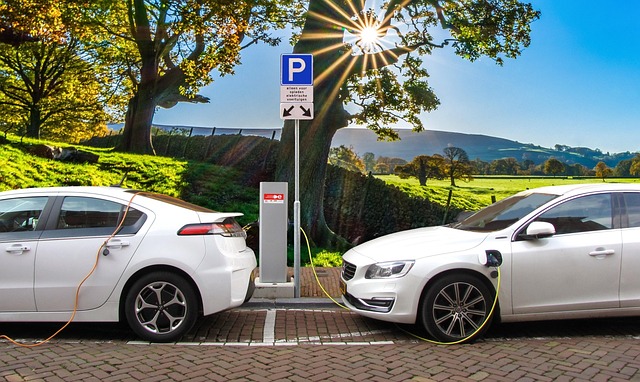
To register your car in California, you’ll need to submit proof of insurance and pay the associated fees. This crucial step involves ensuring that your vehicle meets all safety and insurance requirements set by the state. One efficient method for this process is through mobile VIN verification, where you can utilize a mobile vin verifier to streamline the initial inspection. The California Department of Motor Vehicles (DMV) recommends this digital approach as it’s both convenient and precise, allowing for faster processing times.
When submitting proof of insurance, make sure your policy covers all required aspects, including liability and comprehensive coverage. Many insurance providers offer easy-to-access digital policies, which can be submitted online or through dedicated mobile apps. This digital proof not only simplifies the process but also enhances record-keeping for both you and the DMV. During the fee payment stage, prepare the necessary funds, typically via credit card or debit card, to cover registration, title, and other applicable charges. The total cost may vary depending on your vehicle’s make and model, so it’s advisable to check the current fees on the official DMV website for accurate figures.
For a smoother experience, consider using a mobile vin verifier for the initial VIN inspection. This service allows you to capture and transmit your vehicle’s unique identifier digitally, which can then be verified by the DMV. By combining this modern technology with traditional proof of insurance submission, you ensure your car registration process is both efficient and compliant. Always refer to the latest guidelines provided by the California DMV for up-to-date information regarding registration requirements and procedures.
Verify Your Vehicle's VIN with the DMV

Verifying your vehicle’s Vehicle Identification Number (VIN) with the California Department of Motor Vehicles (DMV) is a crucial step in the car registration process. This critical procedure ensures that your vehicle matches the records on file and helps prevent fraud. The DMV offers various methods for VIN verification, including traditional in-person inspections and innovative mobile vin verifier tools.
Utilizing a mobile vin inspection service can be particularly beneficial as it provides convenience and speed. With just a few clicks, you can access real-time data from the DMV’s system, confirming your vehicle’s authenticity. This modern approach streamlines the registration process, saving time for both customers and DMV staff. For instance, many reputable car dealerships now employ mobile vin verifiers as part of their pre-sale inspection routine, underscoring the tool’s effectiveness and efficiency.
While traditional methods remain reliable, embracing these technological advancements can offer a smoother experience. Always ensure your vehicle’s VIN matches the one registered with the DMV to avoid delays or issues during registration. A simple mobile vin verification could save you valuable time and potential headaches down the road.
By systematically navigating the process of car registration in California, from gathering essential documents to completing applications and providing proof of insurance, you’ve gained a comprehensive understanding of each critical step. Key takeaways include the importance of preparing your vehicle for DMV inspection, ensuring all necessary paperwork is in order, and accurately verifying your Vehicle Identification Number (VIN) with the DMV. This authoritative guide empowers you to confidently register your car, leveraging best practices like proper document organization and clear communication with DMV staff. Moreover, understanding the significance of VIN verification ensures a smooth registration experience, underscoring your commitment to compliance and vehicle authenticity.