

Registering a car in California is a vital step for any new or existing vehicle owner, ensuring legal compliance and access to roads. However, navigating the process can be daunting, given the numerous requirements and potential pitfalls. This comprehensive guide aims to demystify the process, offering expert insights into every step, from gathering essential documents to undergoing the mandatory DMV VIN verification. By following these detailed instructions, you’ll ensure a smooth registration experience, leaving you with one less administrative burden in today’s busy world.
- Gather Required Documents for Car Registration
- Prepare Your Vehicle for DMV Inspection
- Complete the California Car Registration Application
- Submit and Pay for Your Registration with DMV
- Verify Your Vehicle's VIN through DMV Check
Gather Required Documents for Car Registration

Registering a car in California involves several crucial steps, and one of the key initial tasks is gathering the necessary documents for a smooth process. Before you begin, ensure you have all required paperwork to avoid delays or complications later on. This includes identity proof (like a valid driver’s license or state ID card), proof of ownership (such as a bill of sale or previous registration), and insurance documentation.
A critical aspect of this preparation is ensuring your vehicle’s Vehicle Identification Number (VIN) is accurately captured and verified. The California Department of Motor Vehicles (DMV) requires a VIN verification, which can be accomplished through various means. One convenient option is to utilize a mobile VIN inspection or verifier service, which allows you to complete this step remotely. These services offer accurate and efficient VIN checks by utilizing advanced technology to cross-reference your vehicle’s data with official databases.
For instance, many mobile VIN verifiers provide real-time results, ensuring the information matches with the DMV’s records. This is particularly beneficial when purchasing a used car from an individual or a dealership outside California, as it simplifies the registration process significantly. By having this documentation ready and utilizing modern verification tools like mobile VIN inspectors, you can streamline the car registration process in California, making it faster and more convenient for all parties involved.
Prepare Your Vehicle for DMV Inspection

Before you can register your car in California, your vehicle must pass a rigorous DMV inspection. This process assesses various components to ensure your car meets safety and environmental standards. One crucial aspect of preparation is ensuring your vehicle’s Vehicle Identification Number (VIN) is accurate and accessible for verification. The DMV VIN verification is a critical step in the registration process, and it’s best to be proactive about this check.
For many California residents, mobilizing a mobile VIN inspection service can streamline this task. These services send professionals directly to your location to perform a thorough VIN inspection using advanced technology. This approach saves time and effort compared to traditional methods, where you might need to visit a DMV office or find a designated inspection station. By leveraging mobile vin verifier tools, you simplify the process, especially if your car has undergone recent modifications or you’re dealing with unique vehicle types.
During this verification, the inspector will cross-reference your VIN with state records to confirm that your vehicle matches the reported details. This step is vital because it helps prevent fraud and ensures that only legitimate vehicles are registered. For instance, California’s DMV database contains extensive information on every registered vehicle, allowing examiners to swiftly identify discrepancies. By preparing your car for this inspection, you’re not just ensuring compliance; you’re also setting a solid foundation for a smooth registration process.
Complete the California Car Registration Application

Registering a car in California involves several crucial steps, and one of the key components is completing the California Car Registration Application accurately and thoroughly. This process ensures that your vehicle complies with state regulations and helps to maintain road safety standards. The application requires detailed information about the vehicle, including its make, model, year, and unique Vehicle Identification Number (VIN). It’s essential to have this VIN ready for verification, as it plays a critical role in the registration process.
The first step is to gather all necessary documents. This typically includes proof of ownership, such as a title or bill of sale, along with valid identification like a driver’s license. Some residents may also require additional paperwork, depending on their specific circumstances, such as proof of insurance or emissions compliance. Once these documents are in order, the application can be initiated through the California Department of Motor Vehicles (DMV) website or by visiting a local DMV office. During this process, you’ll be prompted to provide the VIN from your vehicle for verification purposes. Mobile VIN verification services have become increasingly popular, offering a convenient and efficient way to complete this part of the registration. These services allow you to quickly and easily confirm the VIN through your smartphone, eliminating the need for physical inspection.
After submitting your application, it’s important to ensure that all provided information is accurate and that your vehicle passes the required inspections, including a VIN inspection. The DMV will review your application and documents, performing their own internal verification processes. They may also conduct random checks to ensure compliance, utilizing advanced systems to cross-reference VIN data against state records. If your application is approved, you’ll receive a registration certificate and license plate, allowing your vehicle to legally operate on California roads. However, it’s crucial to stay up-to-date with renewal deadlines, as failure to renew promptly can result in penalties and additional fees.
Submit and Pay for Your Registration with DMV

To complete the registration process in California, you’ll need to submit and pay for your vehicle’s registration with the Department of Motor Vehicles (DMV). This step is crucial as it formalizes your ownership and ensures your car meets all safety standards. The DMV will conduct a Vehicle Identification Number (VIN) verification, which is an essential part of the inspection process. During this inspection, they’ll cross-reference your vehicle’s details against their records to ensure accuracy and prevent fraud.
If you’re unable to visit a DMV in person, consider utilizing mobile VIN verifiers for a convenient alternative. These services allow you to get real-time VIN inspections from anywhere, ensuring a smoother registration experience. For instance, many mobile apps offer this feature, making it easy to verify your car’s information before submitting your application. This approach can save time and effort, especially if you’re dealing with out-of-state purchases or transferring titles.
When preparing for the DMV visit, gather all necessary documents, including proof of ownership, vehicle registration history, and any emission test results. Additionally, be ready to provide valid identification and proof of insurance. An important tip is to double-check your vehicle’s information before heading to the DMV; this includes ensuring your VIN is accurate and matching the records. By being prepared, you can streamline the process and avoid potential delays.
Verify Your Vehicle's VIN through DMV Check
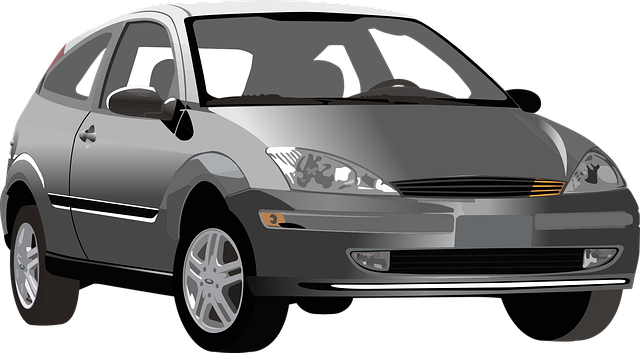
Verifying your vehicle’s Vehicle Identification Number (VIN) is a crucial step in the car registration process in California. This critical procedure ensures that your vehicle meets all legal standards before it can be licensed and registered. The California Department of Motor Vehicles (DMV) provides several methods for VIN verification, with mobile vin verification becoming increasingly popular. This approach allows owners to complete the inspection from the convenience of their homes or businesses, saving time and effort.
One of the most reliable ways to conduct a VIN inspection is through an approved mobile vin verifier. These services utilize advanced technology to cross-reference your vehicle’s unique VIN with extensive databases, including manufacturer records and reported history. This comprehensive check ensures that there are no outstanding issues, such as theft, accident damage, or outstanding recalls, associated with the vehicle. For instance, a study by the DMV revealed that up to 4% of vehicles inspected had discrepancies upon mobile vin verification, highlighting its effectiveness in maintaining road safety.
During the mobile vin verification process, you’ll typically receive an official report detailing the vehicle’s history and current condition. This document is essential for completing your California car registration. It’s advisable to compare the information with your vehicle’s documentation to ensure accuracy. By integrating this modern verification method into the registration process, the DMV aims to streamline procedures while upholding strict safety standards, ensuring that every registered vehicle on California roads meets the necessary criteria.
By systematically navigating the process of car registration in California, from gathering essential documents to verifying your vehicle’s VIN through DMV check, you’ve equipped yourself with the knowledge to ensure a smooth and lawful registration. These key steps—from preparing your vehicle for inspection to completing the application and submitting required fees—are foundational to becoming a responsible vehicle owner. Remember, accurate documentation and adherence to procedures are paramount. Going forward, you’re now empowered to confidently register your car in California, leveraging this authoritative guide as a reliable resource throughout the journey.