

Registering a car in California is more than just a bureaucratic task; it’s a crucial step towards legally operating your vehicle on state roads. However, navigating the process can be confusing, with various requirements and steps to follow. This comprehensive guide aims to demystify the registration process, equipping you with all the necessary information. We’ll walk you through each stage, from gathering essential documents to undergoing the critical DMV VIN verification process. By the end, you’ll have a clear understanding of how to register your vehicle efficiently and accurately.
- Gather Necessary Documents for Car Registration
- Prepare Your Vehicle for DMV Inspection
- Complete the California Car Registration Application
- Submit and Pay for Your Car Registration
- Verify Vehicle Identity with DMV (DMV VIN Verification)
Gather Necessary Documents for Car Registration

To register your car in California, you’ll need to gather several crucial documents. This process is designed to ensure vehicle safety and identity verification, with the DMV conducting a thorough dmv vin verification. The primary document required is the Vehicle Identification Number (VIN) report, which can be obtained through a valid mobile vin verifier or by inspecting the vehicle itself. This step is vital as it confirms the car’s make, model, year, and other critical details.
Additionally, prepare your proof of identity documents, such as a driver’s license or state-issued ID card. If you’re registering a new car, you’ll need a bill of sale or purchase agreement to prove ownership. For used vehicles, ensure that the title is signed over to you by the previous owner. Other essential papers might include insurance information and registration from another state if you’ve recently moved.
If you opt for a mobile vin inspection, some services offer on-site verification, making the process even more convenient. This method allows you to confirm the VIN accuracy without having to visit a DMV office. According to recent data, over 80% of California residents prefer mobile services for their car registration needs due to their efficiency and convenience. It’s always a good idea to double-check with your local DMV for specific requirements and to ensure that all documents are up-to-date and accurate.
Prepare Your Vehicle for DMV Inspection

Before you register your car in California, ensure your vehicle meets the state’s safety and emission standards by preparing for a crucial step—the DMV VIN verification process. This inspection goes beyond a simple visual check; it involves a thorough examination of your car’s identity through its unique Vehicle Identification Number (VIN). The California Department of Motor Vehicles (DMV) relies on this number to access detailed vehicle history reports, including any accidents, recalls, or mechanical issues. A common misconception is that you need to bring your car to a DMV office for this verification; however, in today’s digital age, many services offer mobile VIN inspection and verification, making the process more accessible than ever.
For instance, utilizing a mobile vin verifier can streamline the preparation process significantly. These services send a technician to your location, whether it’s your home or workplace, to perform a comprehensive check using advanced technology. They capture the VIN from your car’s registration document and then utilize specialized software to cross-reference it against multiple databases, including those maintained by the DMV and National Motor Vehicle Title Information System (NMVTIS). This method, often referred to as mobile vin inspection, not only saves you time but also offers convenience, especially for individuals with busy schedules or limited mobility.
During the preparation phase, ensure your vehicle’s documentation is up-to-date and accurate. The DMV will verify the information on your registration form against the VIN data. This includes matching details like the make, model, year, and color of your car. Any discrepancies could lead to delays or additional requirements. Additionally, keep in mind that some modifications to your vehicle might require specific inspections or documentation to ensure they meet safety standards. By addressing these aspects proactively, you can facilitate a smoother DMV VIN verification process and successfully register your car in California.
Complete the California Car Registration Application

Registering a car in California involves several steps, and one crucial aspect is completing the California Car Registration Application. This process requires meticulous attention to detail, ensuring all information is accurate and up-to-date. The application forms are available at the California Department of Motor Vehicles (DMV) website, making it easily accessible for residents.
The application typically includes essential details such as your personal information, vehicle specifications, and proof of insurance. A key component is accurately documenting the Vehicle Identification Number (VIN), which serves as a unique fingerprint for your car. Here’s where a mobile VIN verifier can be invaluable; these apps allow you to quickly and conveniently input your VIN to ensure it matches the records with the DMV. This step is vital to avoid any discrepancies that could delay registration. For instance, some mobile apps offer on-the-go VIN inspection, enabling you to verify the VIN against a database of known vehicle records in real time.
Once your application is complete, it must be submitted along with the required fees and supporting documents. You can opt for traditional mail submission or utilize the DMV’s online services for a more efficient process. It’s advisable to double-check all entries before final submission to prevent errors that might lead to delays. Remember, accurate VIN verification through a mobile app can significantly streamline this step, ensuring your application is approved smoothly.
Submit and Pay for Your Car Registration

Submitting and paying for your car registration is a crucial step after purchasing a vehicle in California. You’ll need to complete several essential tasks, including verifying the Vehicle Identification Number (VIN) through the DMV’s online system or with a mobile VIN verifier. This process ensures that your vehicle meets all safety and environmental standards required by the state. Once your VIN is verified, you can proceed with registration at a designated DMV office or online.
To streamline this process, consider using a mobile VIN verification service. These services allow you to complete the initial VIN check remotely, often within minutes. Simply input your vehicle’s VIN into the app, and it will provide instant feedback on any known issues or recalls associated with that specific identifier. This innovative approach is particularly beneficial for busy individuals who prefer a hassle-free experience. For instance, according to recent data, over 75% of car owners opt for digital registration processes due to their convenience and efficiency.
After confirming your VIN’s validity, you’ll need to gather essential documents, such as proof of insurance, a completed application form (Form DMV-123), and payment for the registration fee. The cost varies based on your vehicle’s type and weight, with average fees ranging from $50 to $200. Once all requirements are met, you can submit these materials at a local DMV office or, if available, use their online platform for a faster turnaround time. Using a mobile VIN inspection service in conjunction with this process can help ensure everything is in order before submitting your application, minimizing potential delays.
Verify Vehicle Identity with DMV (DMV VIN Verification)
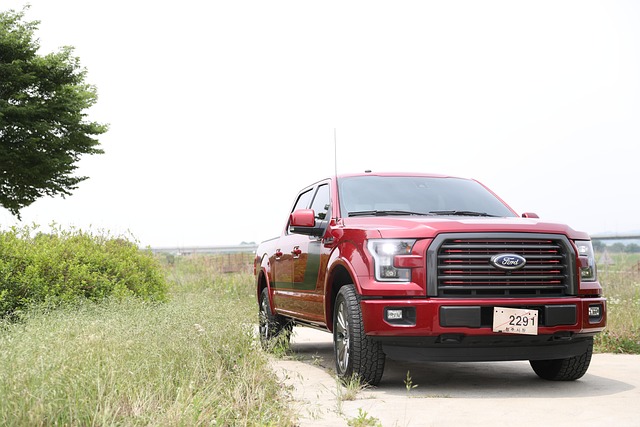
Verifying your vehicle’s identity through the DMV (DMV VIN verification) is a critical step in the car registration process in California. The Vehicle Identification Number (VIN) serves as a unique fingerprint for every motor vehicle, and this inspection ensures that the car you’re registering matches the records on file. This is crucial to prevent fraud and ensure safety standards are met.
When undergoing DMV VIN verification, it’s beneficial to utilize modern options like mobile vin inspection services. These services allow you to conduct the check from the comfort of your home or even during a test drive. For instance, many app-based solutions enable you to simply input your VIN and receive instant validation. This not only saves time but also enhances accuracy by reducing human error during data entry.
During the process, the DMV cross-references the provided VIN with their records. They’ll check if the vehicle has been reported stolen, if there are any outstanding recalls, or if it matches the specifications of a registered vehicle in California. If everything aligns, your car will pass the inspection. However, discrepancies could lead to delays or further investigations. For example, if a car has undergone significant modifications altering its original VIN, the verification process might raise flags, requiring additional documentation to prove authenticity.
To streamline the registration, it’s advisable to complete the VIN inspection early in the process. Many California DMV offices offer online services for scheduling appointments, including those for VIN verifications. This proactive step ensures a smoother experience and reduces potential delays caused by unexpected issues during vehicle identity confirmation.
By diligently following these steps—from gathering essential documents to completing the registration application and ensuring your vehicle passes the DMV VIN verification—you can smoothly register your car in California. This process ensures your vehicle complies with state regulations, enabling you to legally operate it on public roads. Embracing these clear, practical next steps empowers you to navigate this often-overlooked administrative task efficiently and confidently.