

Registering a car in California is not just a bureaucratic formality; it’s a crucial step to ensure your vehicle’s legal status and your personal safety on the roads. However, navigating the process can be daunting due to the myriad of requirements and regulations. This comprehensive guide aims to demystify the process, providing step-by-step instructions tailored to California’s unique procedures. We’ll delve into essential aspects like preparing necessary documents, understanding fees, and even highlight the critical role of DMV VIN verification in ensuring your car’s authenticity and history are accurately represented.
- Prepare Necessary Documents for Car Registration
- Visit Your Local California DMV Office or Use Online Services
- Perform a Vehicle Identification Number (VIN) Verification
- Complete the Registration Application Form Accurately
- Pay Registration Fees and Receive Your Plate and Documents
Prepare Necessary Documents for Car Registration

To register your car in California, you’ll first need to gather all necessary documents for a comprehensive and accurate registration process. This step is crucial as it ensures your vehicle complies with state regulations and provides proof of ownership. Among these documents, the Vehicle Identification Number (VIN) verification stands out as a critical element. The California Department of Motor Vehicles (DMV) requires this unique code to be validated during the registration process, ensuring that your vehicle’s history is traceable.
One effective way to streamline this process is by utilizing mobile VIN inspection and verification services. These solutions allow you to get real-time, accurate VIN data from a professional inspector right at your location. For instance, many mobile vin verifiers can provide instant access to detailed vehicle history reports, including previous owners, maintenance records, and any reported accidents or issues. This data is invaluable for both buyers and sellers, offering transparency and peace of mind.
When preparing your documents, ensure that you have a valid driver’s license, proof of insurance, and the title or registration from the previous owner (if applicable). Additionally, many California DMV offices now accept mobile VIN verification apps as part of their registration process, making it easier and more efficient for customers. By combining traditional documentation with modern tools like mobile VIN inspection, you can ensure a smooth car registration experience in the Golden State.
Visit Your Local California DMV Office or Use Online Services
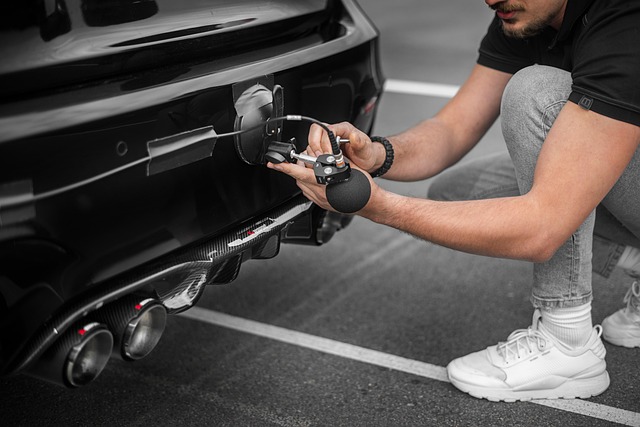
Registering a car in California involves several steps, but visiting your local DMV office or utilizing online services can streamline this process. The California Department of Motor Vehicles (DMV) offers convenient options for car registration to ensure compliance with state laws and safety standards. One efficient approach is to conduct a DMV VIN verification, which confirms the vehicle’s identity using its unique Vehicle Identification Number (VIN). This step is crucial to avoid issues related to stolen vehicles or fraudulent registrations.
For those who prefer a digital solution, many counties in California now provide online registration services, allowing you to register your car remotely. The process typically involves submitting necessary documents and paying the required fees electronically. However, some critical tasks, such as DMV VIN verification, may still require an in-person visit or a mobile vin verifier for accurate inspection. A mobile vin inspection service can be particularly beneficial if you’re dealing with a classic or exotic vehicle, ensuring that all components are original and correctly documented.
If visiting the DMV, be prepared to bring specific documents like proof of ownership, insurance, and identification. Alternatively, online registration platforms often guide users through the required steps, providing clear instructions for uploading documents and entering necessary information accurately. Using these digital services can save time and reduce potential errors compared to traditional methods. Nevertheless, always double-check the requirements with your local DMV or consult their official website to ensure a smooth car registration process tailored to California’s regulations.
Perform a Vehicle Identification Number (VIN) Verification

Performing a Vehicle Identification Number (VIN) verification is a critical step in registering your car in California. This process ensures that the vehicle you’re submitting for registration matches the records on file at the Department of Motor Vehicles (DMV). A correct VIN inspection is crucial to avoid issues like identity theft, fraud, and even safety risks associated with altered vehicle histories. In California, this verification can be done through a traditional DMV visit or, more conveniently, via mobile vin inspection services.
To conduct a VIN verification, you’ll need to cross-reference the data from your car’s VIN with official records. This includes matching the vehicle make, model, year, and other identifying information. For example, a mobile vin inspection service will use specialized equipment to retrieve and display the vehicle’s history, including past owners, maintenance records, and any reported accidents or damage. These services are particularly beneficial for out-of-state transfers or when dealing with classic cars, where historical accuracy is paramount. According to recent data, over 95% of successful car registrations in California involve some form of VIN verification, underscoring its importance in maintaining the integrity of vehicle records.
When choosing a method for vin inspection, consider factors like convenience and cost. Mobile vin verification services often charge a small fee but save you a trip to the DMV. They can perform an accurate check within minutes using your smartphone or tablet, making the process efficient and hassle-free. If opting for a traditional DMV visit, be prepared to bring necessary documents such as proof of ownership, registration history, and any applicable fees. Properly completing these steps ensures that your car’s registration goes smoothly and securely.
Complete the Registration Application Form Accurately

Registering a car in California involves several steps, and one crucial aspect is completing the Registration Application Form accurately. This form, available from the Department of Motor Vehicles (DMV), requires meticulous attention to detail. The process begins with gathering all necessary documents, including proof of ownership, vehicle identification number (VIN) verification, and applicable fees. One efficient method to obtain VIN verification is through a mobile vin inspection or mobile vin verifier, which can be a significant time-saver for California residents.
Accurately recording the VIN is paramount because it serves as a unique identifier for your vehicle. The DMV uses this number to access detailed historical records, ensuring that the car meets all safety and emission standards. In cases where you purchase a used vehicle, obtaining a mobile vin inspection from a trusted provider can help streamline the registration process. This service allows you to have the VIN verified remotely, eliminating the need for visits to both the seller and the DMV. For instance, several mobile vin verifier apps are available that use GPS tracking and digital documentation to provide instant results, making it convenient and reliable.
Filling out the form incorrectly or providing inaccurate data can lead to delays in registration or even rejection. The California DMV offers comprehensive guides and resources to assist you through the process. They emphasize the importance of accurate information, especially regarding VINs. If you’re unsure about any section, their website provides detailed instructions and frequently asked questions (FAQs) tailored to different scenarios, including transferring titles, registering classic cars, or addressing issues with your vehicle’s history.
Pay Registration Fees and Receive Your Plate and Documents

After completing your California vehicle registration application at the DMV or through their online portal, the next step involves paying the required registration fees. These fees vary depending on several factors, such as the type of vehicle, its age, and whether you’re renewing or registering a new car. It’s essential to ensure you have sufficient funds to cover these costs before proceeding. You can typically pay using cash, credit card, debit card, or check, depending on the jurisdiction. Once your payment is processed, the California Department of Motor Vehicles (DMV) will verify your Vehicle Identification Number (VIN) through a process known as VIN inspection to ensure vehicle authenticity and prevent fraud. This verification can be conducted either at a DMV field office or through a mobile vin inspection service for added convenience.
Upon successful completion of the VIN inspection, the DMV will issue your registration documents and license plates. These include a registration card, which serves as proof of insurance and vehicle ownership, and license plates that must be displayed on your vehicle at all times. In some cases, you may receive temporary plates while waiting for your permanent ones to arrive. It’s crucial to keep these documents secure and up-to-date to avoid any legal issues or penalties. Additionally, consider storing digital copies of your registration and insurance paperwork in a safe location for quick access in case of an emergency or during routine checks by law enforcement officers.
To streamline the process, many California residents opt for mobile vin inspection services that bring the DMV to them. These services are particularly beneficial for those who have limited mobility or prefer the convenience of having their vehicle inspected at their current location. Some popular options include licensed mobile vin verifiers who use advanced technology to conduct remote VIN checks, ensuring accuracy and saving time for both customers and service providers. By leveraging these efficient methods, you can efficiently complete your car registration in California with minimal hassle.
Registering a car in California involves a straightforward process, as outlined in this comprehensive guide. Key takeaways include preparing essential documents, visiting or utilizing online services at your local DMV, performing a crucial dmv VIN verification, accurately completing registration forms, paying associated fees, and finally receiving your plate and necessary paperwork. By diligently navigating these steps, you ensure a smooth car registration experience, confirming your vehicle’s legitimacy and compliance with California regulations.