

Registering a car in California is a vital process, ensuring legal ownership and facilitating smooth transactions. However, navigating the bureaucracy can be daunting for new vehicle owners. This comprehensive guide aims to demystify the process, offering step-by-step instructions to ensure a seamless experience. We’ll delve into critical aspects like gathering necessary documents, conducting a Vehicle Identification Number (VIN) verification to prevent fraud, and understanding fees and deadlines. By following these expert tips, you’ll confidently navigate California’s registration requirements.
- Gather Necessary Documents for Car Registration in California
- Understand Eligibility Requirements for Vehicle Registration
- Prepare for VIN Verification: Steps and Tips
- Complete the Car Registration Application Process Online or In-Person
- Renew Your Car Registration: Timelines and Options
Gather Necessary Documents for Car Registration in California

Before you begin the registration process for your vehicle in California, it’s crucial to gather all the necessary documents. This step is often overlooked but can streamline the entire car registration procedure. Among these, the Vehicle Identification Number (VIN) verification stands out as a critical aspect. The VIN is a unique code that identifies your vehicle and is essential for official record-keeping. In California, you may opt for a mobile VIN verification service to simplify this task. This method allows professionals to perform a remote VIN inspection, ensuring accuracy without the need for an in-person visit.
For instance, many online platforms now offer mobile VIN verification, where a licensed inspector can remotely access your vehicle’s data using their smartphone or tablet. This technology is particularly useful if you’ve recently purchased a used car and want to confirm its history before registering it. The process typically involves providing your VIN number and details like the make, model, and year of the vehicle. After that, the inspector will cross-reference this information with various databases to retrieve the vehicle’s history, including any accidents or outstanding issues.
Another benefit of mobile VIN inspection is its convenience. You can schedule an appointment at a time that suits you, and the entire process often takes just a few minutes. This approach not only saves time but also ensures peace of mind, knowing that your car’s registration documents are based on reliable and verified data. It’s important to choose reputable services for this purpose, as they must adhere to California’s strict vehicle registration standards.
Understand Eligibility Requirements for Vehicle Registration
Before registering your car in California, understanding the eligibility requirements is crucial. First, ensure your vehicle meets safety and emission standards set by the state. This involves a thorough vin inspection to verify the vehicle’s identity and history using its unique Vehicle Identification Number (VIN). A mobile VIN verification service or app can facilitate this process by providing real-time data from various databases, offering convenience especially for out-of-state buyers.
Another key requirement is proof of ownership. This can be established through a bill of sale, or in the case of leased vehicles, documentation from the lessor. Additionally, you’ll need to meet residency criteria; California requires residents to register their vehicles within 30 days of establishing permanent habitation. If you’ve recently moved to California from another state, you might qualify for a grace period allowing up to 60 days to complete registration after establishing residency.
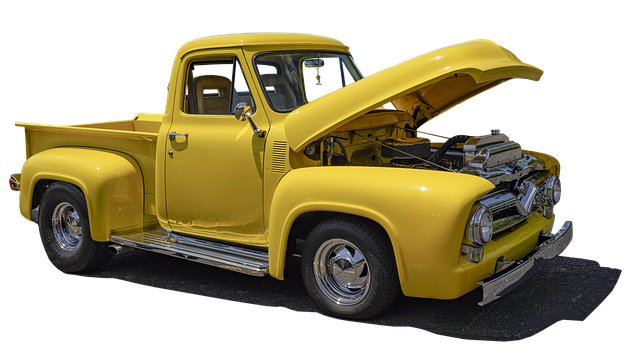
Financing also plays a role in eligibility. Lenders may require the vehicle to be registered before releasing ownership. In such cases, arrange with your lender or dealership to have the car registered promptly upon purchase. For classic or vintage vehicles, specific regulations apply; consult California’s Department of Motor Vehicles (DMV) for detailed guidelines, potentially involving historical registration and inspection by a specialist.
Prepare for VIN Verification: Steps and Tips

Before you can register your car in California, you need to prepare for the Vehicle Identification Number (VIN) verification process. This crucial step ensures that your vehicle’s details match the information on record with the Department of Motor Vehicles (DMV). A proper VIN verification not only speeds up registration but also safeguards against fraud and identity theft.
The first order of business is to gather all necessary documents, including your car’s title, current registration, proof of insurance, and a valid driver’s license. Next, you’ll want to ensure the accessibility of your vehicle for inspection. Some individuals opt for a mobile VIN inspection or mobile VIN verification service, which can be particularly convenient if your vehicle is located off-site or difficult to move. These services send a trained professional to perform the VIN check right at your location, eliminating the hassle of transporting the car.
During the VIN verification process, the inspector will visually inspect and cross-reference critical data points with the vehicle’s unique 17-character VIN. This includes checking the engine size, model year, manufacturer, and other specifics against official records. For classic or imported vehicles, additional documentation might be required to establish authenticity. In some cases, a mobile VIN verifier can assist in these special circumstances by offering expertise on rare or vintage cars. Examples of such verifiers often include specialized software that scans and deciphers complex data points accurately and efficiently.
Remember, accurate and up-to-date information is key during this phase. A single incorrect detail could delay registration. To prepare effectively, double-check all documents for accuracy, ensure your vehicle’s maintenance records are in order, and be ready to provide any additional paperwork required by the DMV or a mobile VIN inspection service.
Complete the Car Registration Application Process Online or In-Person

Registering a car in California involves several steps, one of which is completing the car registration application process. You have two primary options: go online or visit a local Department of Motor Vehicles (DMV) office. Both methods require accurate information and proper documentation, ensuring your vehicle complies with state laws.
For those opting to register online, the California DMV offers a streamlined digital process. Before beginning, ensure you have your Vehicle Identification Number (VIN), which can be found on the vehicle’s registration certificate or on the driver’s side of the dashboard. The VIN is crucial for verification purposes and facilitates efficient processing. You’ll also need access to your current registration documents and applicable fees paid online. This method is convenient, allowing you to avoid wait times at DMV offices. Additionally, some mobile vin verifiers can assist with this step, making it even easier to validate your vehicle’s information before submission.
In-person registration involves visiting a local DMV office with all necessary paperwork and fees. Staff members will guide you through the process, which includes presenting valid identification, proof of insurance, and completing relevant forms. If any discrepancies are found during manual inspection, such as an invalid VIN or missing documents, you may be required to reschedule or correct these issues before proceeding. Mobile vin inspection services can be beneficial here, ensuring your vehicle’s details are accurate before you embark on this step.
Regardless of the method chosen, thorough preparation is key. Double-check all information for accuracy, and consider seeking assistance if you’re unsure about any part of the process. Proper VIN verification, whether through online tools or mobile services, can save time and prevent potential delays during registration.
Renew Your Car Registration: Timelines and Options

Renewing your car registration in California is a crucial process that ensures your vehicle complies with state regulations. Understanding the timelines and available options is essential to avoid penalties and maintain a smooth ownership experience. The process typically involves verifying your vehicle’s identity through its unique Vehicle Identification Number (VIN), a critical step that guarantees the vehicle’s authenticity and history.
One convenient option to facilitate this verification is through mobile VIN inspection or mobile VIN verification services. These services allow you to have a professional perform the VIN check at your location, whether at home or work. This is particularly beneficial for those with busy schedules, ensuring the process is seamless and efficient. For instance, a mobile VIN verifier can access real-time data from various databases to cross-reference the VIN, providing instant validation. This method streamlines the registration renewal process, saving you time and effort.
California’s Department of Motor Vehicles (DMV) offers several renewal options, including online, by mail, and in-person. However, for a more efficient approach, especially for those who value convenience and speed, mobile VIN verification stands out. This modern solution ensures that your car’s registration is renewed accurately and promptly, allowing you to hit the road worry-free.
Registering a car in California involves several key steps, from gathering essential documents to completing the application process and renewals on time. Understanding eligibility requirements and preparing for VIN verification are crucial aspects of this procedure. By diligently collecting all necessary paperwork, confirming your vehicle’s eligibility, and successfully navigating the VIN verification process, you ensure a smooth registration experience. This article has provided comprehensive guidance, empowering readers with the knowledge to confidently register their vehicles and stay compliant with California regulations.