

Registering a car in California is a vital process, ensuring legal compliance and protecting your investment. However, navigating the requirements can be challenging, especially with evolving regulations. This comprehensive guide aims to demystify the process, offering step-by-step instructions for a seamless experience. We’ll delve into every aspect, from gathering essential documents to the crucial DMV VIN verification, ensuring you’re fully prepared. By the end, you’ll have the confidence to register your vehicle smoothly and efficiently.
- Prepare Necessary Documents for Car Registration
- Visit California DMV: Step-by-Step Guide
- Understand Vehicle Identification Number (VIN) Verification
- Pay Registration Fees and Select Insurance Options
- Finalize Car Registration: Pick Up Your License Plate
Prepare Necessary Documents for Car Registration

Before you can register your car in California, you’ll need to gather all the essential documents for a smooth process. This step is crucial, as it ensures your vehicle complies with state regulations and allows for a seamless transition from ownership to registration. One critical aspect of this preparation is ensuring accurate and up-to-date Vehicle Identification Number (VIN) information. The California Department of Motor Vehicles (DMV) requires a VIN verification, which can be efficiently completed through a mobile vin inspection or verification service.
For instance, many vehicle owners opt for a mobile vin inspection, where a professional comes to your location to perform the check. This is especially beneficial for those who have recently purchased a used car and need to ensure its history aligns with the provided records. The process involves scanning the VIN on various parts of the vehicle, cross-referencing it with national databases, and verifying the car’s history, including any accidents or outstanding recalls. By utilizing mobile vin verification services, you can save time and avoid the hassle of visiting a DMV office.
Additionally, you’ll require standard documentation such as proof of insurance, a valid driver’s license, and perhaps even previous registration records. It’s advisable to check the DMV’s website for an exhaustive list of required documents to prevent any delays or complications during the registration process. Properly preparing these documents, including accurate VIN verification through mobile inspection services, sets the stage for a successful car registration in California.
Visit California DMV: Step-by-Step Guide
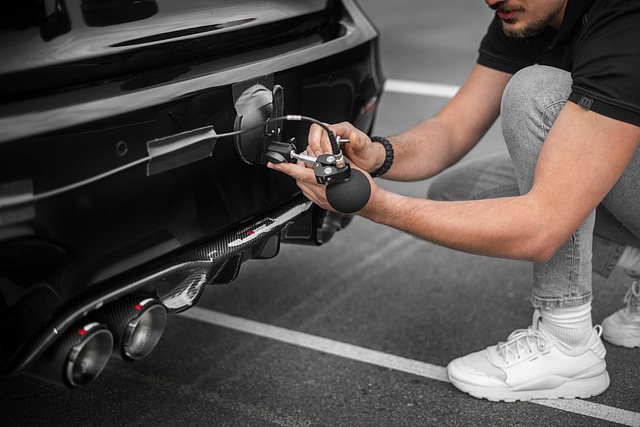
To register your car in California, you’ll need to visit a California Department of Motor Vehicles (DMV) field office or use their online services. Here’s a step-by-step guide for the in-person process, focusing on the crucial DMV VIN verification.
First, gather all necessary documents, including your vehicle’s registration from the previous state (if applicable), proof of insurance, and identification like a driver’s license or passport. Once you arrive at the DMV, locate the dedicated VIN verification counter. This process ensures that your car meets California’s safety and emissions standards by cross-referencing the Vehicle Identification Number (VIN) with their records. During the inspection, a DMV representative will check for any known issues related to safety, theft, or accidents associated with the VIN.
If you’re in a hurry or face mobility challenges, consider utilizing the state’s mobile VIN verification services. These services allow you to get a remote inspection by scheduling an appointment with an approved examiner who’ll visit your location. This option streamlines the process, especially for those unable to visit a DMV office. After passing the VIN check, you can proceed with registering your vehicle, including paying the required fees and receiving your California registration plates.
Understand Vehicle Identification Number (VIN) Verification

Registering a car in California involves several crucial steps, one of which is ensuring your vehicle’s Vehicle Identification Number (VIN) is accurately verified. This process is paramount to ensure both legal compliance and peace of mind regarding your vehicle’s authenticity. The California Department of Motor Vehicles (DMV) relies on VIN verification as a critical component of its registration procedure, making it vital for all car owners to grasp this concept.
A VIN is a unique 17-character code that serves as a digital fingerprint for your vehicle, offering detailed information about its make, model, year, and manufacturing location. It’s etched into the metal of every vehicle during production. To verify this number, you’ll need to consult official sources like a valid registration certificate or a vehicle history report from services like Carfax or AutoCheck. When conducting a VIN inspection, ensure that each digit is legible and matches precisely with the documentation.
For added convenience, many mobile vin verifiers and apps are now available on the market. These tools allow you to perform a mobile vin inspection by simply scanning the number using your smartphone’s camera. They provide instant results, offering peace of mind in just a few taps. However, always verify that these services are reliable and authorized before relying on them for official purposes. Remember, maintaining an accurate VIN record is not just about registration; it also plays a critical role in insuring, selling, or trading your vehicle in the future.
Pay Registration Fees and Select Insurance Options

After gathering all necessary documents and completing your vehicle’s inspection, the next step in registering your car in California involves paying the registration fees and selecting insurance options. The California Department of Motor Vehicles (DMV) offers several ways to pay these fees, including online, by mail, or in person at a DMV field office. Online payment is typically the fastest method, requiring only your driver’s license number, vehicle identification number (VIN), and credit card information. The DMV accepts most major credit cards, ensuring a secure transaction.
A crucial aspect of this process is the DSM VIN verification, which ensures that your vehicle matches the details on file with the DMV. This can be done through a mobile VIN verification service, allowing you to check your car’s history and ensure it’s roadworthy in just minutes using your smartphone. For instance, services like Carfax or AutoCheck provide detailed reports, including past owners, accident history, and maintenance records, enabling you to make an informed decision.
When selecting insurance options, California requires all vehicles to have liability insurance covering property damage and bodily injury. You can choose from a variety of coverage plans tailored to your needs. Full coverage insurance, for example, protects against comprehensive and collision damages, while third-party liability covers only the legal minimum requirements. It’s advisable to get multiple quotes from different insurance providers to find the best rates and coverage that fit your budget. Mobile VIN inspection apps can also help compare insurance options by providing instant quotes based on your vehicle’s unique VIN, making the process more efficient.
Finalize Car Registration: Pick Up Your License Plate

After completing your car registration application at the California DMV, the next step is to finalize the process by picking up your license plates—a crucial milestone in owning a vehicle in this state. This phase ensures that your vehicle is legally recognized and allows you to drive it on public roads. The California Department of Motor Vehicles (DMV) offers several convenient methods to obtain your license plates, emphasizing efficiency and accessibility for California residents.
One of the modern conveniences available is the mobile VIN verification process. Instead of visiting a DMV office, you can utilize an online or mobile application that conducts a vin inspection. This service verifies your vehicle’s unique Vehicle Identification Number (VIN) by cross-referencing it with the DMV’s database. Upon successful verification, you are granted permission to register and obtain license plates for your car. For instance, some mobile apps offer real-time updates on waiting times and allow you to schedule appointments, making the entire process more manageable.
Once your VIN is verified, you can proceed to a designated licensing location or, in some cases, have your license plates delivered to your address. At the licensing center, you’ll need to present your completed registration documents and proof of insurance. After verifying these documents, an official will issue your license plates, which are typically attached to your vehicle’s rear end. It’s advisable to inspect the plates for any errors or omissions before driving off, ensuring a seamless experience throughout.
By diligently preparing the necessary documents, following a structured approach during your California DMV visit, understanding the significance of VIN verification, making informed insurance choices, and completing the registration process with precision, you ensure a seamless car registration experience. This comprehensive guide empowers you to navigate the process efficiently, leveraging the expertise shared to confidently register your vehicle in compliance with state regulations. Remember, proper DMV VIN verification is not just a step but a crucial cornerstone for secure and legal vehicle ownership.